Colostrum and Gut Health: What the Science Actually Says
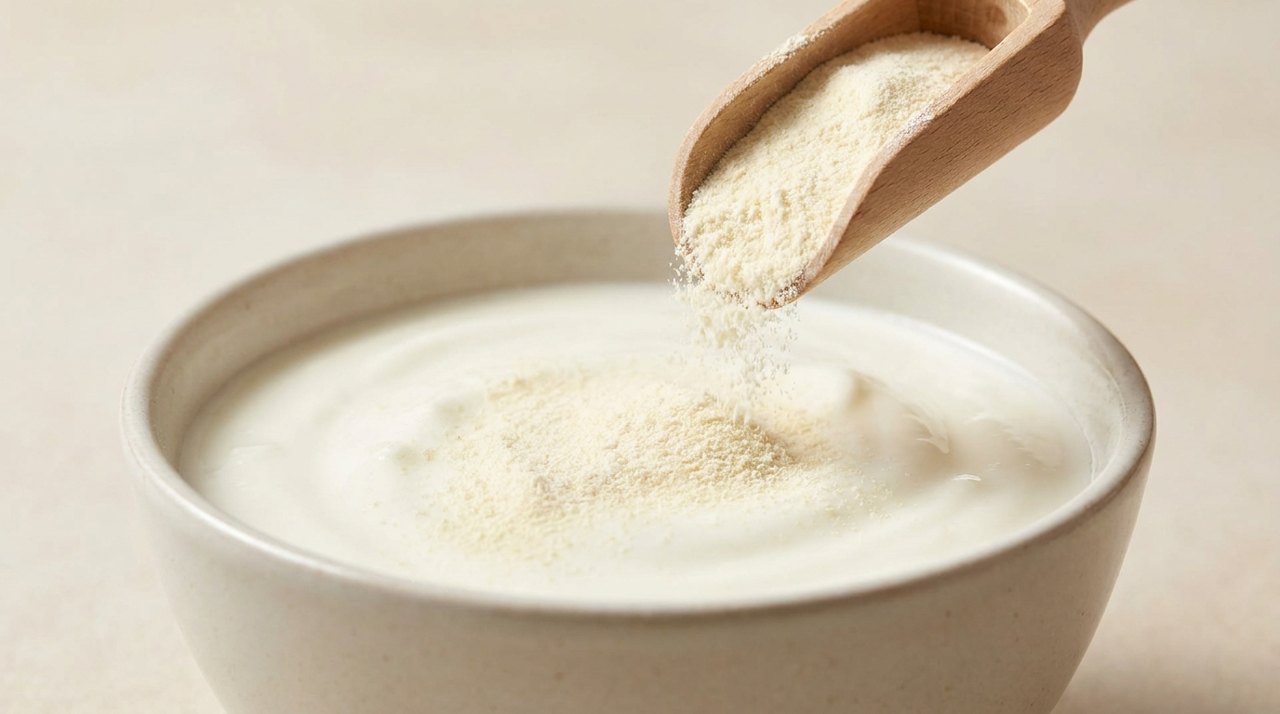
Gut health is one of the most common reasons people reach for bovine colostrum. The logic is appealing: colostrum is rich in compounds that support a newborn's developing digestive system, so maybe it can support an adult's gut too. Here's what the research actually suggests — and where the claims outrun the evidence.
Why colostrum is linked to the gut in the first place
Colostrum naturally contains growth factors, immunoglobulins, and lactoferrin — components involved in maintaining and repairing the lining of the digestive tract in early life. Because the gut barrier is central to digestion and immune function, researchers have asked whether supplemental bovine colostrum might help support that barrier in adults, especially when it's under stress.
The intestinal barrier and "permeability"
Your gut lining acts as a selective barrier: it lets nutrients through while keeping unwanted substances out. When that barrier becomes more "permeable" than usual, it's sometimes loosely called a "leaky gut." Several small studies — often in athletes or in people taking medications known to stress the gut lining — have looked at whether bovine colostrum can reduce increases in intestinal permeability. Some found a measurable protective effect, particularly around intense exercise, which is known to temporarily increase gut permeability.
This is genuinely promising, but it comes with caveats: the studies are mostly small, short-term, and use specific populations and doses. "May help support the gut barrier under stress" is a fair reading. "Heals your gut" is not.
Digestive comfort during heavy training
Endurance athletes frequently experience gut discomfort during long or intense sessions. Because colostrum has been studied in this exact context, it's one of the better-supported use cases — though even here results are mixed, and any benefit appears to be modest rather than dramatic.
What the evidence does not show
- It does not show colostrum is a treatment for any diagnosed digestive condition. Conditions like IBS, IBD, or food intolerances are medical issues that need a clinician — not a supplement you self-prescribe.
- It does not show dramatic, universal results. Individual responses vary, and plenty of people notice nothing.
- It does not replace the basics: fiber, varied whole foods, hydration, sleep, and managing stress do far more for most people's digestion than any single supplement.
If you want to try it for gut support
Set realistic expectations and give it a fair trial of several weeks. Choose a quality product with a stated IgG percentage and clean sourcing (see our buying guide), start with a modest dose, and pay attention to how you actually feel. If you have a dairy allergy, avoid it entirely — colostrum is a milk product. And if you have an ongoing digestive condition or take medication, talk to your healthcare provider before starting.
The bottom line
The connection between colostrum and gut health is biologically plausible and has some early human support — mainly around protecting the gut barrier under physical stress. It's a reasonable thing to experiment with, but it's a supporting player, not a cure. Treat bold "gut-healing" marketing with healthy skepticism, and keep the fundamentals of a gut-friendly lifestyle first.